
Aluminum Fencing vs Vinyl Fencing: Pros and Cons of Each Material
Key Highlights
- Aluminum fencing vs vinyl fencing it all boils down to what your priorities are. Vinyl provides more of a solid barrier while aluminum fences give you the benefit of being durable, have an open view, and long life expectancy.
- If you are a homeowner looking for low maintenance fencing with the greatest level of privacy, a backyard, or pet friendly option, then vinyl fencing is the best option.
- For homeowners in Georgia, aluminum fencing can stand up to the weather extremes of heat, humidity, rust, and corrosion. Aluminum fencing maintains physical beauty and appearance for years.
- Your choice in either vinyl or aluminum will depend on the goals you have for your fencing. Some of those goals include privacy, curb appeal, budget, how you want to utilize your outdoor areas, etc.
For homeowners in Atlanta, selecting a fence is more than placing boundaries on their property. Fences are common features that all Atlanta homeowners need to enhance their privacy, secure their property, add curb appeal, and contribute to the resale value of their homes. The two most popular low-maintenance choices are vinyl and aluminum fence, but deciding between the two options can be challenging.
When researching aluminum fencing vs vinyl fencing, you’ll likely have many questions such as: which option lasts longer in Georgia’s weather conditions? Which option provides the most privacy? Which option is more attractive and requires less maintenance?
At Bravo Fence, we install both types of fencing in the Atlanta area and have witnessed the real life examples of the benefits and drawbacks of both. This guide compares aluminum fencing to vinyl fencing so you can make an educated and confident decision about your options for your home.
Aluminum Fencing vs Vinyl Fencing at a Glance
|
Feature |
Vinyl Fencing |
Aluminum Fencing |
|
Privacy |
Excellent (solid panels) |
Low (open design) |
|
Maintenance |
Very low |
Very low |
|
Durability |
Strong |
Excellent |
|
Climate Performance |
Moderate |
Excellent |
|
Aesthetic Style |
Clean, uniform, classic |
Elegant, ornamental |
|
Security |
High (solid barrier) |
Moderate (height-dependent) |
|
Lifespan |
25–30 years |
40–50+ years |
|
Eco-Friendliness |
Low (PVC) |
Moderate (recyclable) |
Both materials are popular for a reason but the right choice depends on your goals.
What Is Vinyl Fencing?
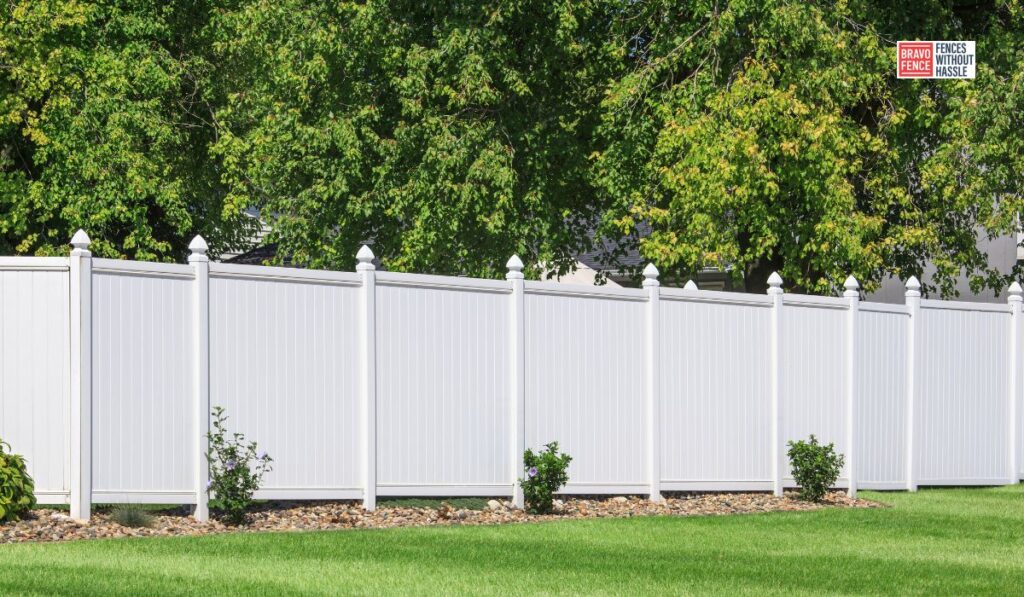
A type of plastic fencing manufactured with (Poly Vinyl Chloride), commonly known as “PVC”; this type of vinyl fencing material mimics the appearance of traditional wood fencing but without the maintenance issues associated with it; vinyl fencing is produced in panels and posts that interlock to form an uninterrupted look.
In the Atlanta region, vinyl fencing designs are often found in the following applications:
- private fencing around backyards
- family and pet safe fencing
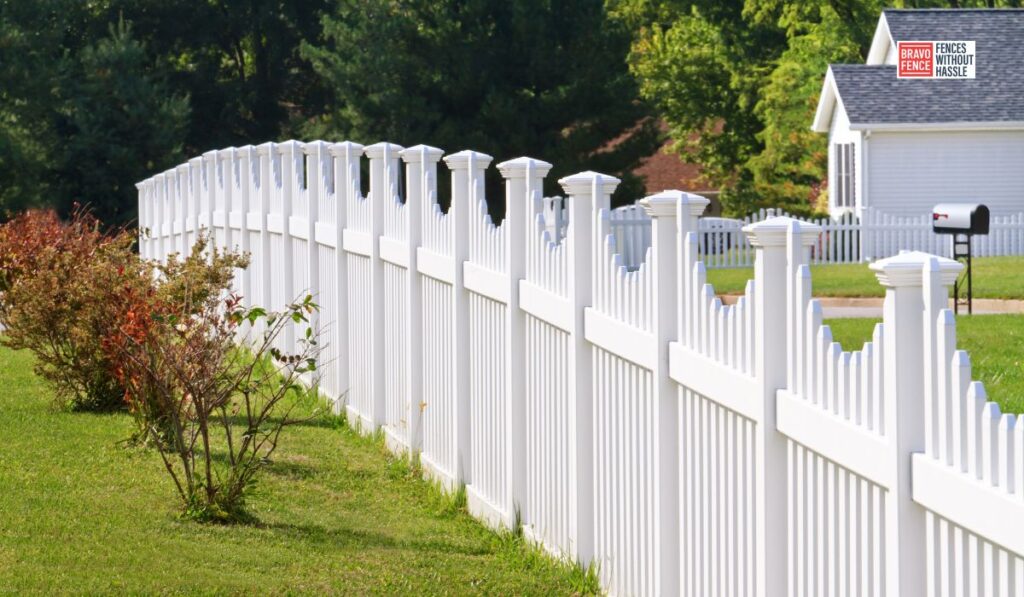
- white picket fencing
- fencing that has been approved by local Homeowners Associations.
Vinyl fencing has achieved widespread popularity as it won’t rot or warp or be affected by insect infestation like wooden fencing will; therefore, vinyl fencing is an attractive choice for homeowners who want to have a privacy fence but don’t want to be continually maintaining the fence over time.
Pros and Cons of Vinyl Fencing
Pros of Vinyl Fencing
Vinyl gives you a combination of aesthetic appeal and long-lasting strength that can’t be matched by other types of siding.
- Maximum Privacy
Privacy is one of the top benefits of vinyl fencing. Solid vinyl panels block any vision from the street, neighbors’ homes, and anyone else walking by your backyard, pool, or exterior living area.
- Clean, Uniform Appearance
There are many styles of vinyl fences that offer smooth, shiny appearances that hold true throughout the life of the material. You can find anything from a standard white vinyl privacy fence to contemporary designs and wood-like textures.
- Minimal Maintenance
Unlike wooden fences that require continual maintenance by painting, staining, and/or sealing, a vinyl fence requires minimal maintenance. It only needs an occasional cleaning with soap and water or a very mild power wash to keep it looking like new.
- Rot and Insect Resistant
Due to the humid climate in Georgia, wooden fences suffer greatly from the effects of moisture and wood decay. Vinyl fencing is made from a non-porous polymer that does not absorb moisture and is not susceptible to termites or decay.
- Children and Pets
Because of the solid panel design of a vinyl fence, it is a very solid choice for families with small children or pets that require a safe environment.
What is the Disadvantages of Vinyl Fence?
Despite being an excellent option for many consumers, there are some cons of vinyl fencing that you need to consider before purchasing.
- Reaction to Extreme Temperatures
Vinyl fencing will become brittle when exposed to extremely cold temperatures and will melt, droop, or sag under extreme heat unless it has been correctly reinforced. When installed during the extreme heat of the summer in Atlanta, the solid materials must be used, along with professional installation.
- Vulnerable to Impact Damages
A few factors can create impacts strong enough for vinyl to crack or break. These include tree branches, lawn equipment, and roughhousing around the fence.
- Mildew/Staining
Vinyl fences in shaded or moist areas will likely grow algae or mildew, requiring detailed cleaning, especially when they are located in communities with humid climates like North Georgia.
- Difficulty with Repairs
Damaged vinyl panels will require replacement, increasing the overall cost over time.
What Is Aluminum Fencing?
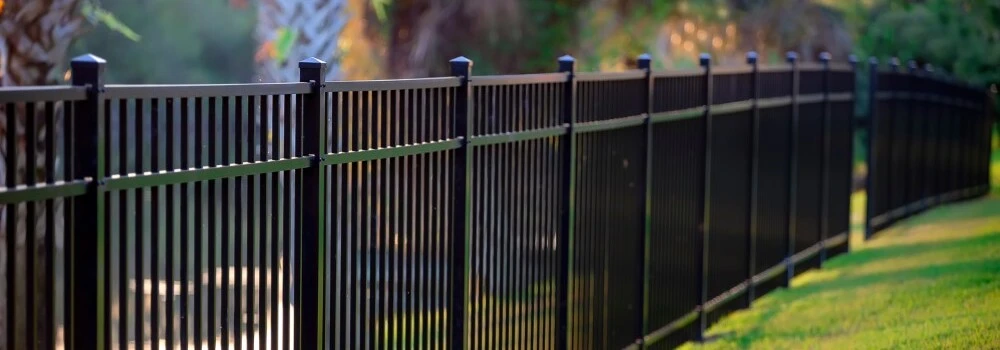
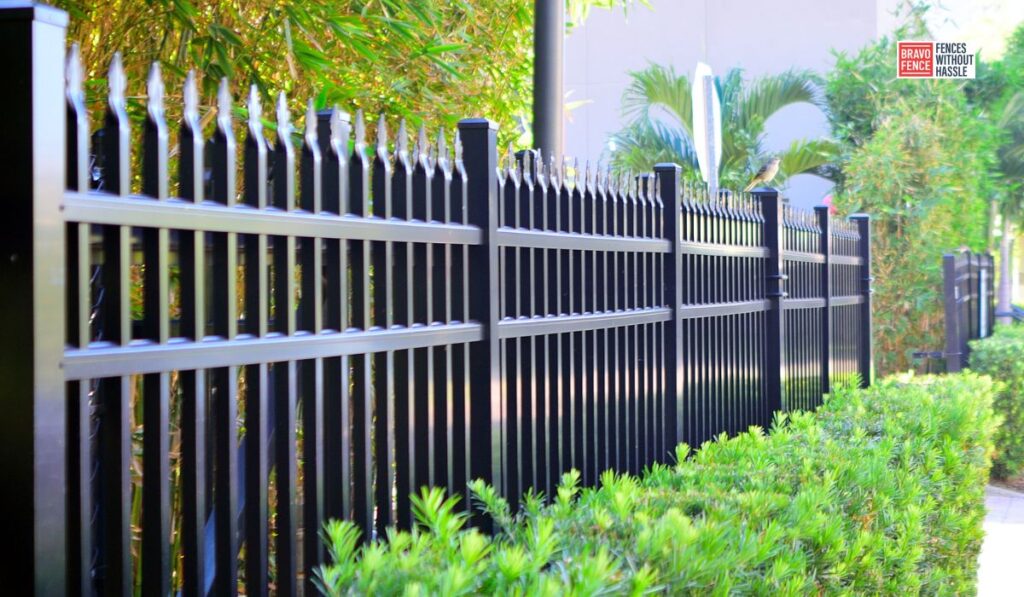
Aluminum fencing consists of metal fencing that can be made from lightweight materials and looks like wrought iron while eliminating the possibility of rust. Most are powder coated aluminum fencing, so they are durable and have decorative value.
In Georgia, homeowners often use aluminum fences for the following purposes:
- Pool area enclosure
- Decorative perimeter fencing
- Front-yard fencing
- Houses located in scenic locations
Aluminum fencing is also considered an attractive alternative to traditional wood fences due to its long-lasting nature and resistance to thermal expansion and cracking.
Pros of Aluminum Fencing
Aluminum offers an elegant, durable, and low-maintenance option when compared with heavier metals like steel or iron. A residential aluminum privacy fence is timeless in appearance, and it will last against nature’s elements.
- Amazing Durability
Because aluminum fence designs have better thermal performance than vinyl, this answers your question about the extreme hot temperatures during the summer months and sudden cold temperatures.
- Prevents Rust And Corrosion
Unlike steel or iron, aluminum does NOT rust, which makes it the best fence option for humid environments, especially when used outdoors over time.
- Lasting Lifetime
Aluminum fencing installations can last 40-50 years or longer with proper care, and it is considered one of the longest-lasting fencing products on the market.
- Distinctive Classic Look
Aluminum has a classic wrought-iron look and offers curb appeal but allows views through the fencing.
- Pool Safety
Aluminum fencing matches most pool safety requirements while allowing the safety codes to be maintained (an issue in Atlanta metro neighborhoods).
Cons of Aluminum Fencing
Although an aluminum powder coated fence is exceptionally tough, it will not provide a true barrier like some other types of fencing do; this may impact the effectiveness of your privacy and pet protection goals.
- Insufficient Privacy
Aluminum fences are inherently open. If privacy is your primary concern, aluminum may not be an ideal standalone fencing option.
- Security Issues
Aluminum fences can be made tall and sturdy; however due to their light weight, they can be more easily climbed compared to other materials unless the fence has security features such as spear tops or height added.
- Wear on Coating Over Time
Powder coating may chip and/or scratch and need to be periodically painted and/or repaired to retain a nice appearance.
- Not Ideal for Small Pets
Gaps between pickets may allow small furry friends and children to easily go through unless the fence has been customized and designed accordingly.
Key Differences Homeowners Care About Most
Privacy and Security
The primary distinguishing factor regarding aluminum fencing vs vinyl fencing, as stated by homeowners, is how each type of fencing performs regarding privacy and security. Vinyl provides both solid barriers and visual separation, whereas aluminum does not provide all the same benefits and instead relies primarily on height and product design to provide protection.
Durability and Climate Performance
Regarding durability and exposure to extreme weather, aluminum performs better than vinyl at both high and low temperatures. While vinyl holds up well in moderate-temperature climates, it may degrade more quickly than aluminum during intense heat or cold if not reinforced properly.
Maintenance and Upkeep
When comparing aluminum and vinyl fencing, both are generally considered low-maintenance. However, vinyl may require indoor or shaded areas to be cleaned more frequently than aluminum; on the other hand, aluminum may require periodic touch-up coatings to keep the surface from fading.
Aesthetics and Curb Appeal
From an aesthetic standpoint, both vinyl and aluminum fence styles suit the needs of homeowners based on their desired appearance. Vinyl is typically associated with contemporary, modern, or traditional fencing styles, whereas outdoor aluminum fencing is often associated with traditional elegance, openness, and decorative style.
Is Aluminum Fence Cheaper than Vinyl?
Vinyl is much cheaper than aluminum fence. When comparing aluminum vs vinyl fence costs vary significantly based on factors such as height and design, as well as complexity and ease of installation.
Is Vinyl Fencing Expensive?
Vinyl has a higher upfront cost than wood but is cheaper than ornamental aluminum or steel.
- Average Cost of Aluminum Fence: $30 – $60 per linear foot (installed)
- Material Only: $25 – $45 per linear foot
- Labor: $5 – $15 per linear foot
- Total Project Example: The cost of installation for a typical 200 ft. backyard fence, expect to spend between $6,000 and $12,000.
How Much is Aluminum Fencing?
Aluminum fencing often has the highest upfront cost. Aluminum is a premium material that offers the look of wrought iron without the maintenance.
- Average Cost: $35 – $75 per linear foot (installed)
- Material Only: $20 – $50 per linear foot
- Labor: $15 – $25 per linear foot
- Total Project Example: The cost of aluminum fencing installation will be between $7,000 and $15,000 for a standard 200 ft. Backyard Fence.
Ultimately, the additional longevity of aluminum will typically provide better value than vinyl in terms of long-term use. However, if you are looking for a fence that provides immediate privacy and a consistent appearance, vinyl fencing is the better choice for that purpose.
Best Use Cases: Which Fence Is Right for You?
|
Feature/Goal |
Choose Vinyl Fencing If… |
Choose Aluminum Fencing If… |
|
Privacy Needs |
You require maximum privacy and solid barriers from neighbors. |
You prefer an open feel and unobstructed views of your surroundings. |
|
Safety & Security |
You need a secure enclosure for young children or pets with no gaps. |
You are securing a swimming pool or hot tub (meets most safety codes). |
|
Aesthetic Style |
You want the classic, traditional look of a wood fence. |
You have a preference for an elegant, sleek, and modern appearance. |
|
Primary Use |
You want a fully enclosed backyard for protection or a play area. |
You want to enhance curb appeal without blocking the landscape. |
|
Climate & Durability |
You want a rot-resistant alternative to wood. |
You live where rapid temperature fluctuations occur regularly. |
Why Atlanta Homeowners Choose Bravo Fence
There’s no universal winner in the debate between aluminum fencing vs vinyl fencing. For some homeowners, the seamless appearance and privacy afforded by vinyl fencing is the desired quality for a fence. On the other hand, other homeowners emphasize the advantages of aluminum fencing such as durability and elegance, as well as superior long-term product performance.
At Bravo Fence, we have been installing both aluminum and vinyl fencing products throughout Atlanta and the surrounding areas. Our fencing professionals have expertise in understanding how Georgia’s unique climate impacts the various types of fencing materials available in the marketplace, and as a result, work with Atlanta area homeowners to develop solutions that will withstand the elements for many years.
If you are considering installing either an aluminum or vinyl fence in the Atlanta area, our fencing professionals consult Georgia 811 and will work with you throughout the design and installation process to ensure you have the most appropriate solution available to you.
Contact Bravo Fence at (770) 966-9970 now to receive expert advice on your choices of fencing for your backyard or any of your other outdoor areas.
Frequently Asked Questions
Is vinyl fencing durable?
Vinyl lasts longer than wood and will not rot, be eaten by bugs or get damaged by water. A high-quality material can have a life span of 25-30 years; however, extreme temperatures could cause it to crack or bend, unless professionally installed.
Are aluminum fences good for dogs?
Depending on the size and type, an aluminum fence can be safe for dogs. Taller panels with narrower pickets are ideal, but some small dogs may pass through the gaps unless the fences are customized.
Does vinyl fencing hold up in Georgia’s heat and humidity?
The hot environment in Georgia allows well-made vinyl fences to endure better than lower quality vinyl fences. Vinyl Fences tend to degrade when subjected to direct sun exposure for extended periods unless installed professionally.
Can aluminum fencing be used for pool enclosures in Atlanta?
Aluminum is a great option for your pool fence because it meets almost all local swimming pool safety regulations and can withstand corrosion while allowing you to see through it.
Which fence material adds more resale value to a home?
You can consider both vinyl and aluminum. A vinyl fence would appeal to those buyers who want a safe place for their children and privacy from their neighbors. An aluminum fence would be attractive for those who appreciate the aesthetics and durability, with a classic, elegant look.
Tags: Complete Guide to Fence Material Comparison, Complete Guide to Vinyl Fence Designs, Everything You Need to Know About Aluminum Fencing Cost, Everything You Need to Know About Fence Installation Tips, Everything You Need to Know About Maintenance Of Aluminum Fences, Explore Helpful Resources on Aluminum Fence Benefits, Explore Helpful Resources on Vinyl Fence Upkeep, Explore Helpful Resources on Vinyl Fencing Price, Top Ideas and Insights About Aluminum Fence Styles, Top Ideas and Insights About Aluminum Vs Vinyl Durability, Top Ideas and Insights About Vinyl Fence Advantages