
What Size Fence Gate Do I Need? A Guide to Choosing the Right Fence Gate
Choosing the right fence gate can make the difference between a fence that works with your property and one that becomes frustrating every time you use it. The right size depends on what needs to pass through the opening, the type of fence you have, the amount of space available, and how often the gate will be used.
A garden gate used for foot traffic has very different requirements from a driveway gate that needs to accommodate trucks, trailers, or landscaping equipment. The material matters too. A wood gate, vinyl gate, or metal fence gate can all require different construction methods and gate hardware to remain properly aligned over time.
For homeowners across North Georgia, Bravo Fence helps determine the right gate size as part of the overall fence design. Here is what to consider before choosing your next fence gate.
What Is a Standard Fence Gate Size?
There is no single standard size for every fence gate, but residential pedestrian gates commonly fall in the range of about 3 to 4 feet wide. This provides enough room for people, pets, trash cans, and common lawn equipment while keeping the gate manageable.
A single gate is usually the simplest solution for everyday backyard access. If you need more clearance, a double gate can provide a significantly wider opening without requiring one oversized gate leaf.
The right width should be determined before the fence posts and support posts are installed. Gate openings carry more movement and stress than ordinary fence panels, so proper planning at this stage is important.
What Size Garden Gate Do I Need?
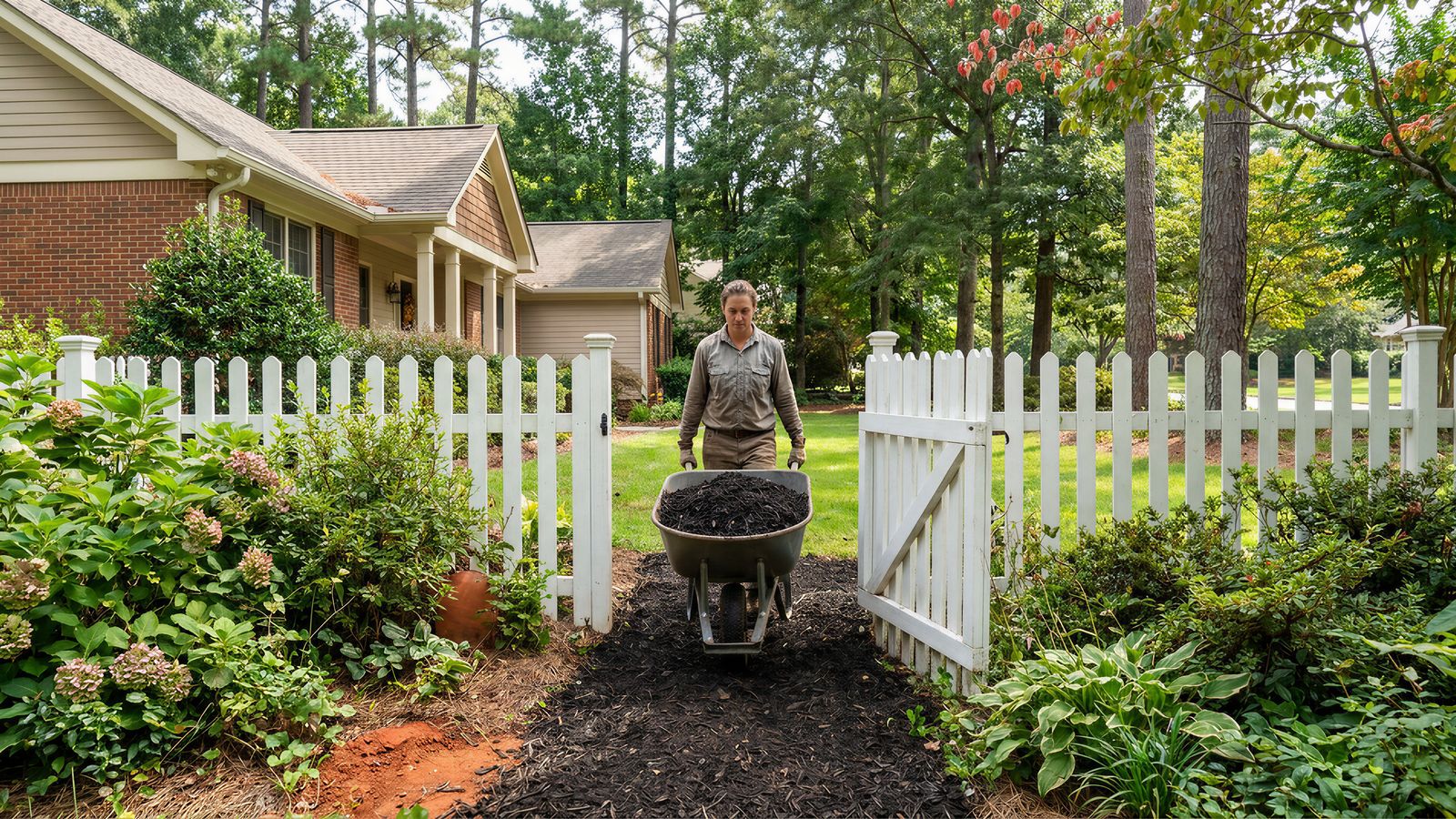
A garden gate generally only needs enough room for normal foot traffic and basic yard equipment.
For a small walkway, a gate around 3 feet wide is often practical. If you regularly move a wheelbarrow, mower, large trash cans, or garden equipment through the opening, a wider garden gate may make everyday use much easier.
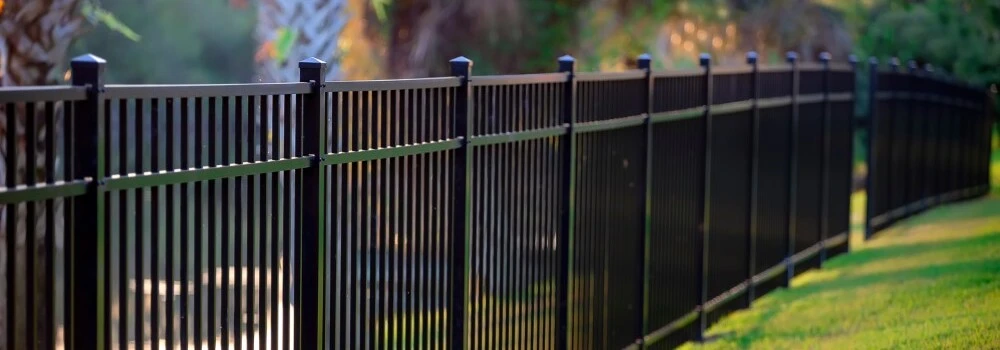
The gate should also match the surrounding fence type. A wooden picket fence may call for a simple wooden gate, while an ornamental aluminum fence may look better with a matching metal gate.
The goal is to make the opening useful without making the gate heavier than necessary.
What Size Gate Works for a Privacy Fence?
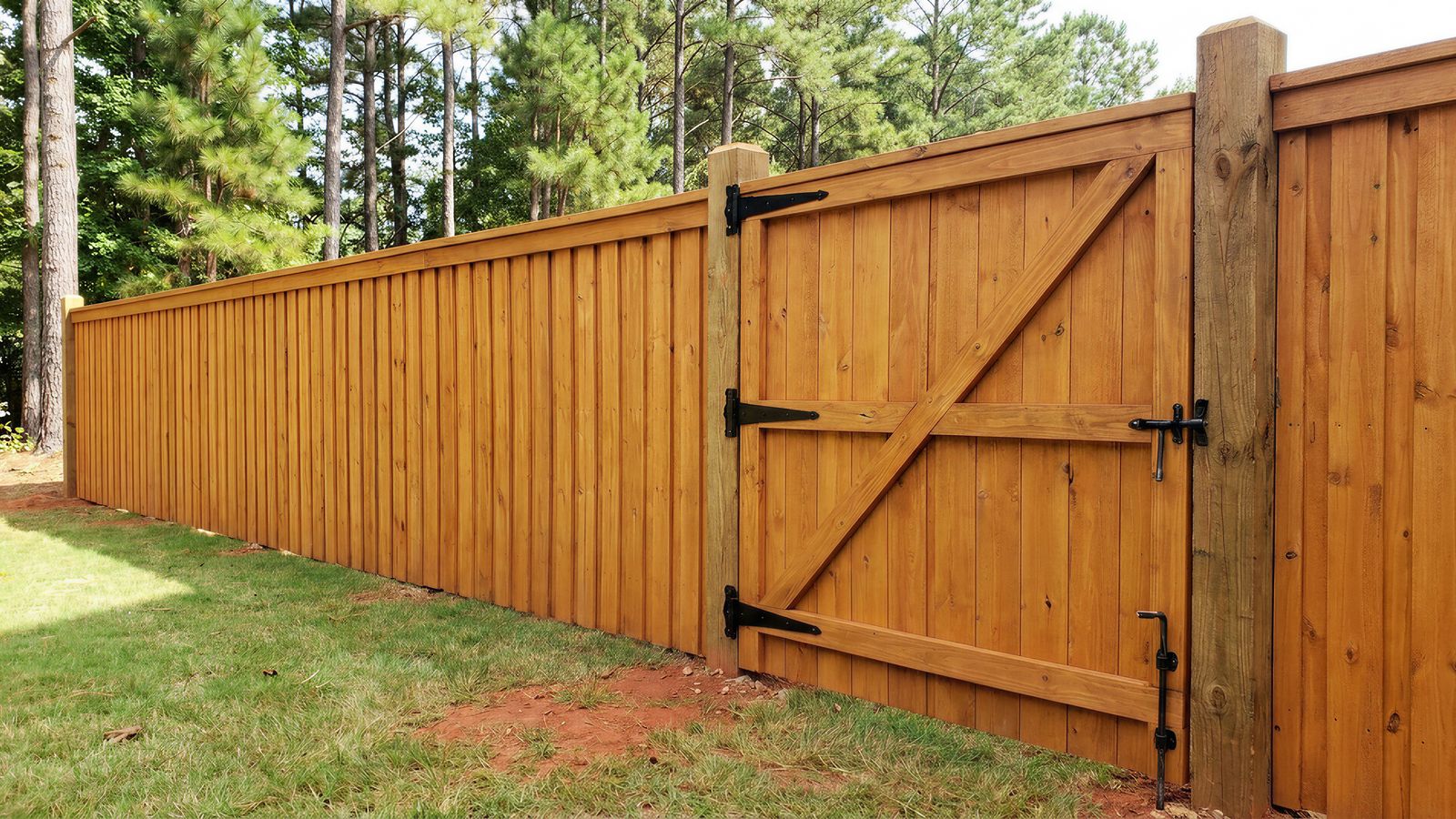
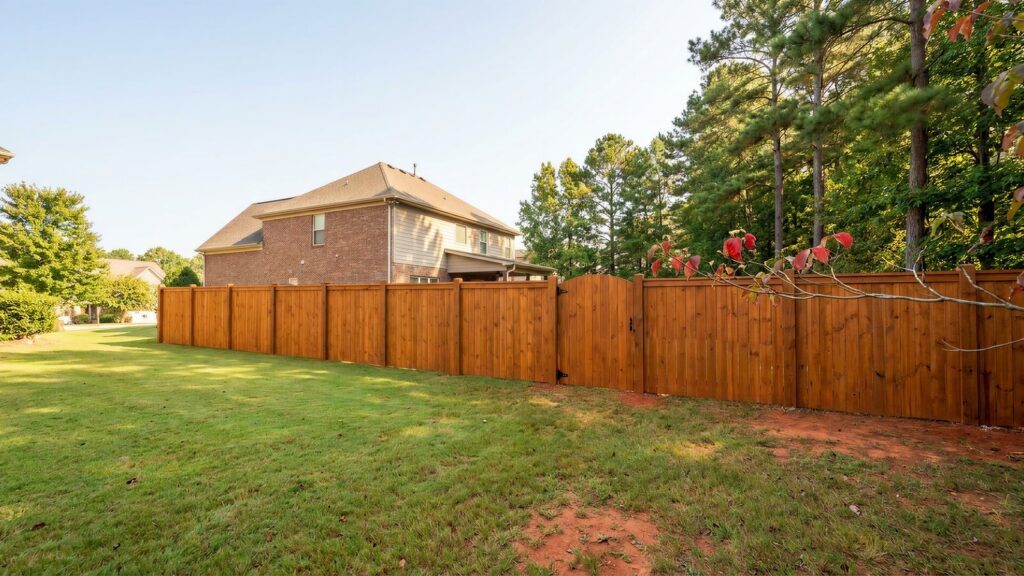
A privacy fence typically uses taller and heavier materials than a decorative fence, which means the gate needs enough structural support to resist sagging.
A standard pedestrian privacy gate is commonly designed as a single gate, but wider openings may require a double gate. This is especially important with wood because an oversized wood gate can place considerable pressure on the hinges and posts.
A professionally built wooden gate should have proper framing, bracing, hinges, and latch placement. The surrounding posts also need to be installed to support the additional weight.
For homeowners choosing vinyl privacy fencing, manufacturers may use reinforced gate components to help maintain alignment. The same principle applies to a composite fence, where composite gates must be properly supported for their size and weight.
How Wide Should a Driveway Gate Be?
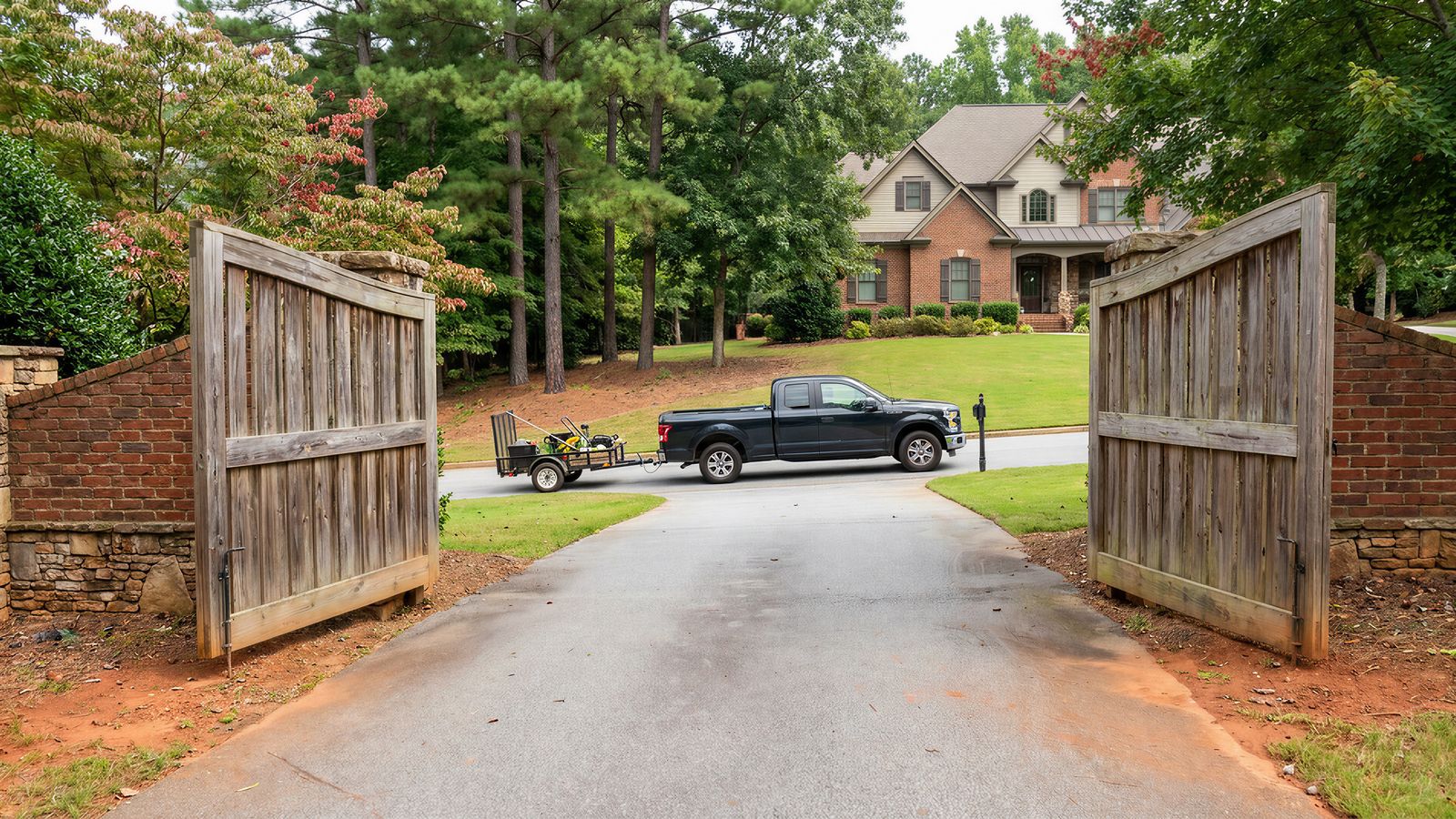
A driveway gate needs considerably more clearance than a pedestrian gate.
The appropriate width depends on the driveway itself and the vehicles that need access. Passenger vehicles may require less room, while trucks, trailers, RVs, work vehicles, or landscaping equipment need wider openings and additional turning space.
Many driveway applications use a double gate because two smaller gate leaves are easier to support than one extremely wide gate.
Before installation, a fence contractor should consider:
- Driveway width
- Vehicle width
- Turning radius
- Sloped ground
- Gate swing direction
- Nearby landscaping
- Available space for the open gates
A properly planned driveway gate should make entering and leaving the property easier rather than creating a tight target every time you pull in.
Gate Size for Chain Link Fencing
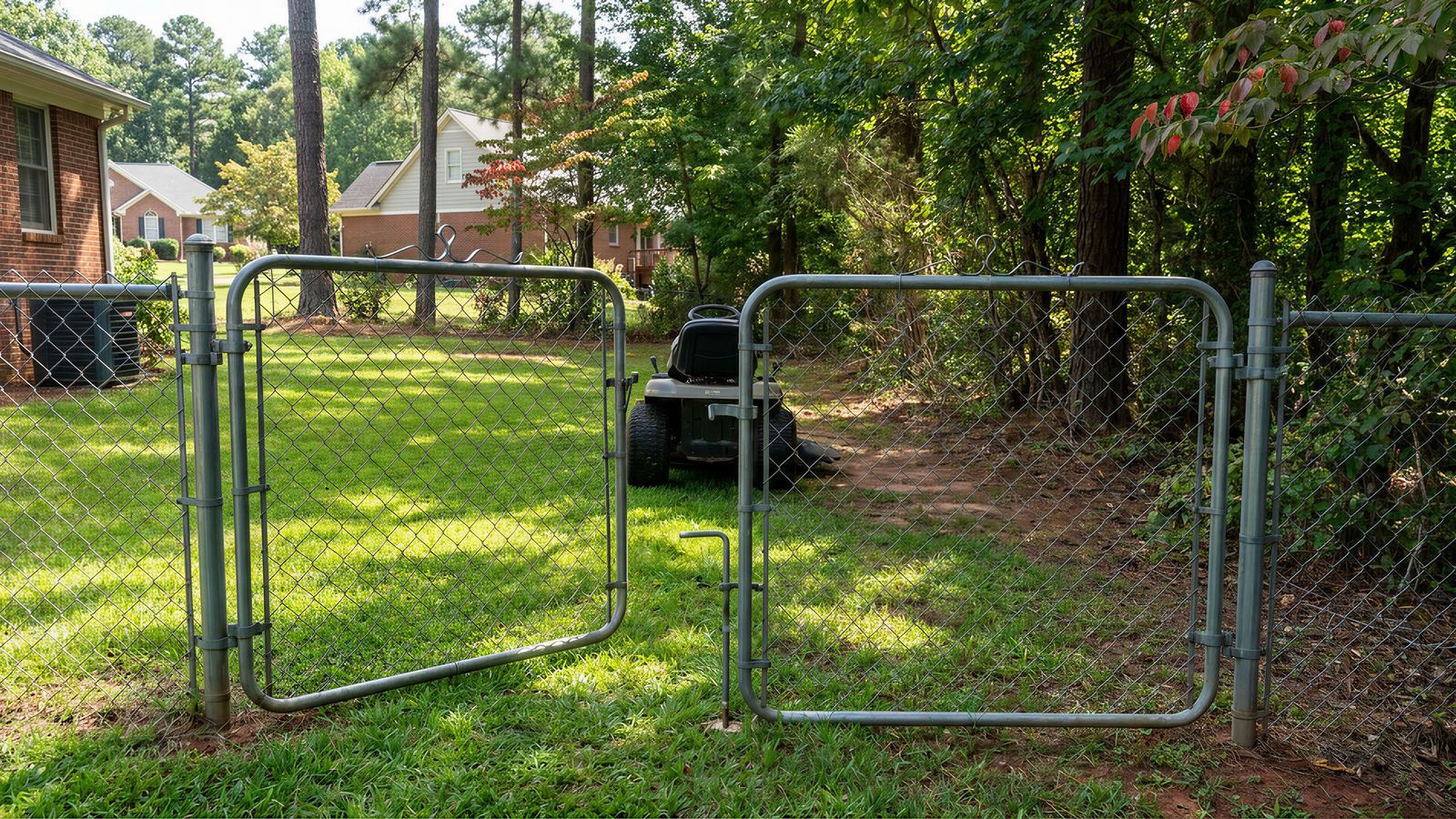
A chain link fence offers considerable flexibility when it comes to gate sizes.
A pedestrian opening in a chain link fence may use a narrow single gate, while larger residential and commercial applications can use wide double gates. Chain link is commonly chosen when homeowners need access for lawn equipment, trailers, or utility vehicles while maintaining a secure perimeter.
Larger gates may use a round frame constructed from metal tubing. Proper hinges, latches, and supporting posts are especially important because even lightweight chain link material creates leverage as gate width increases.
Commercial properties may also combine a chain link fence with barbed wire or other security features where permitted and appropriate.
Choosing Gate Materials
The gate should usually complement the surrounding fence.
Wood Gates
A wood gate works naturally with privacy fencing, picket fencing, and many traditional residential designs. Wood can be customized easily, but larger gates require proper bracing to control sagging.
Vinyl Gates
A vinyl gate provides a clean appearance with relatively low maintenance. These gates are frequently paired with privacy fencing and may use reinforced internal components.
Metal Fence Gates
A metal fence gate works well with aluminum, steel, chain link, and ornamental fence systems. Many outdoor metal components are powder-coated to provide a durable finished surface and additional protection from the elements.
Composite Gates
A composite fence offers the appearance of traditional materials with different maintenance characteristics. Matching composite gates create a consistent design while requiring structural support appropriate to the material.
Why Gate Hardware Matters
Gate size is only part of the equation.
Quality gate hardware helps the gate remain functional after years of opening, closing, rain, heat, and soil movement. Hinges, latches, braces, and fasteners should all be selected based on the gate’s weight and width.
A wide gate attached to undersized fence posts may eventually drag along the ground or stop latching properly. Reinforced support posts can help manage that additional load.
This is one reason gate installation should be considered as part of the complete fence system rather than treated as an afterthought.
What Size Gate Do I Need Around a Pool?
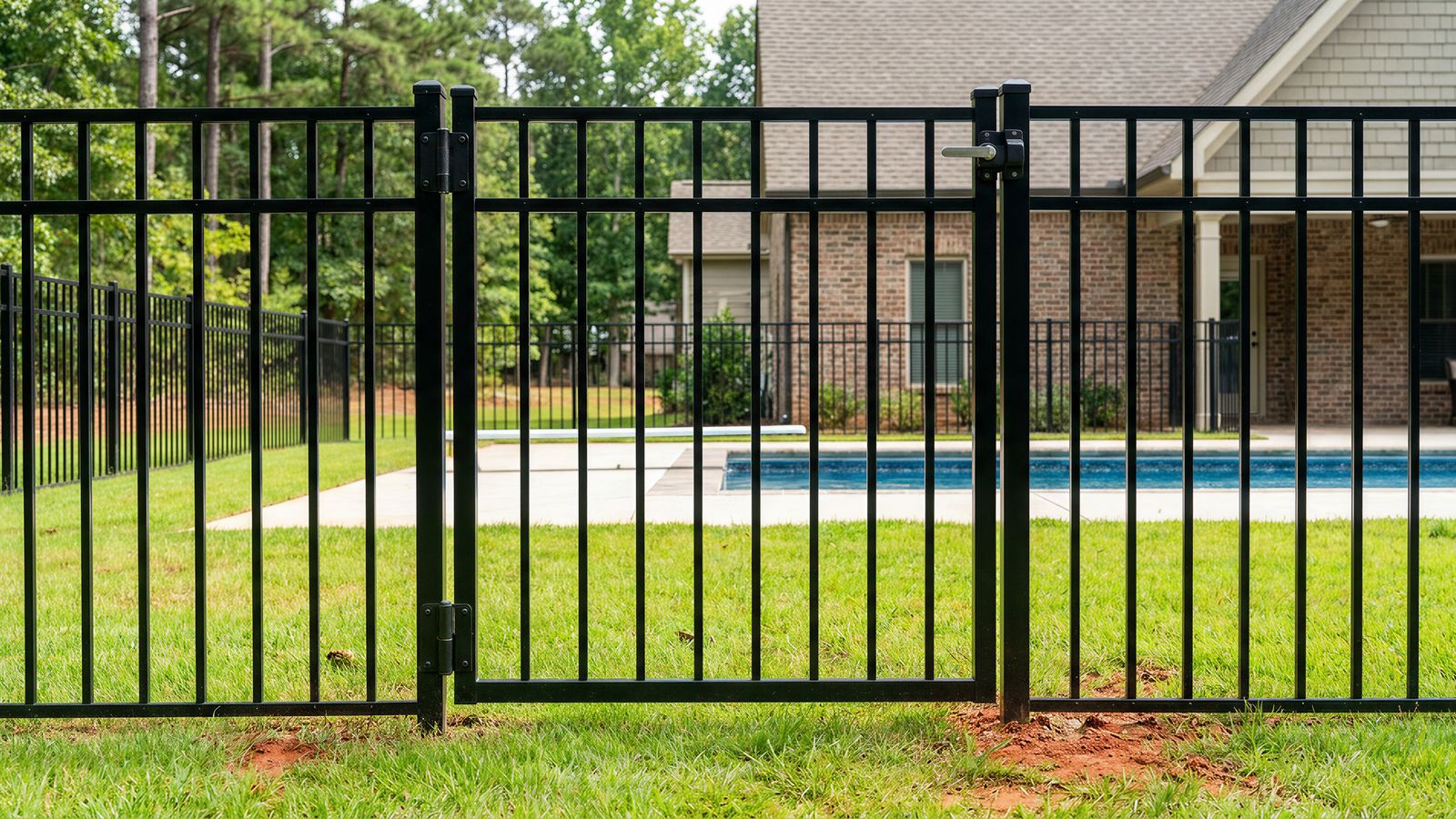
A gate leading into a pool area has additional safety considerations. Pool barriers and gates may be subject to local building codes regarding height, opening direction, latch placement, and other requirements.
The gate should provide the access you need without compromising the function of the pool barrier. An ornamental aluminum fence is a popular option around pools because it maintains visibility while providing a defined enclosure.
Always confirm the requirements for your specific property before installing fencing around a pool area.
Should I Use a Fence Kit or Custom Gate?
A fence kit can work for some straightforward projects, especially when the property has predictable measurements and the manufacturer provides compatible gates and components.
However, fence kits may become more difficult to use when a property has slopes, unusual openings, existing structures, or custom access requirements. A prefabricated fence kit may also limit your choices when you need a specific gate width.
Custom installation allows the fence gate, fence panels, posts, and hardware to be designed around the actual property.
Single Gate or Double Gate?
When choosing between a single gate and a double gate, think about what will need to pass through the opening today and in the future.
A standard single gate works well for:
- People
- Pets
- Trash cans
- Push mowers
- Basic garden equipment
A double gate may be better for:
- Riding mowers
- Trailers
- Vehicles
- Large landscaping equipment
- Wide backyard access
Building enough clearance from the start can prevent having to modify the fence later.
Let the Property Determine the Gate
The best fence gate size is the one that matches how you actually use your property.
A small garden gate, wide driveway gate, secure privacy gate, or durable gate within a chain link fence all solve different problems. Material, opening width, ground conditions, post placement, and hardware need to work together for the gate to remain dependable.
Bravo Fence has been installing fences and gates across North Georgia since 2004. Whether your project includes wood, vinyl, aluminum, a composite fence, chain link, or another fence type, our team can help plan the right opening before the first post goes in the ground.
Because a good fence should protect your property. A good gate should make living with it easy.