
Fence Installation Cost: How to Save Money Without Cutting Corners
When it comes to the overall cost of upgrading that old fence or installing a new one, don’t DIY.
Understanding fence installation cost in North Georgia takes more than a quick online estimate. Between soil conditions, material choices, property layout, and labor, the total cost of a fence can vary widely from one yard to the next.
Homeowners searching for the average cost of fence installation or how to avoid higher costs in general often find ranges that don’t reflect real-world conditions in places like Marietta, Canton, Ball Ground, or Alpharetta.
After more than 20 years of building fences across Metro Atlanta, Bravo Fence has seen where money is well spent and where cutting corners ends up costing more in the long run.
What Impacts Professional Fence Installation Cost?
The cost of professional installation is typically calculated per linear foot, but several factors influence that number.
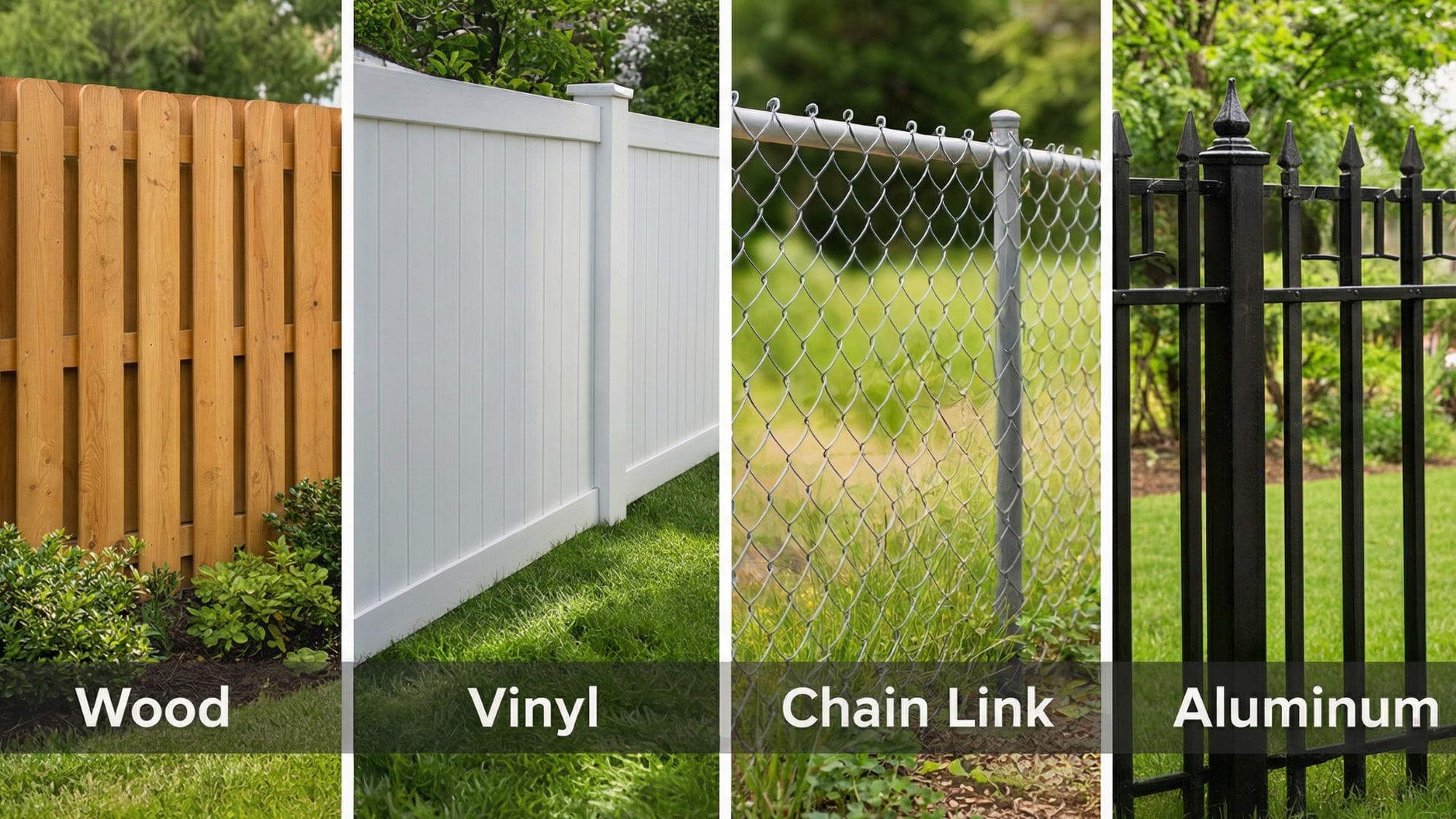
Material choice plays a major role. A chain link fence is generally the most affordable option, while wood fence installation, vinyl fence installation, wrought iron, and aluminum fencing each come with different price points based on durability, appearance, and maintenance.
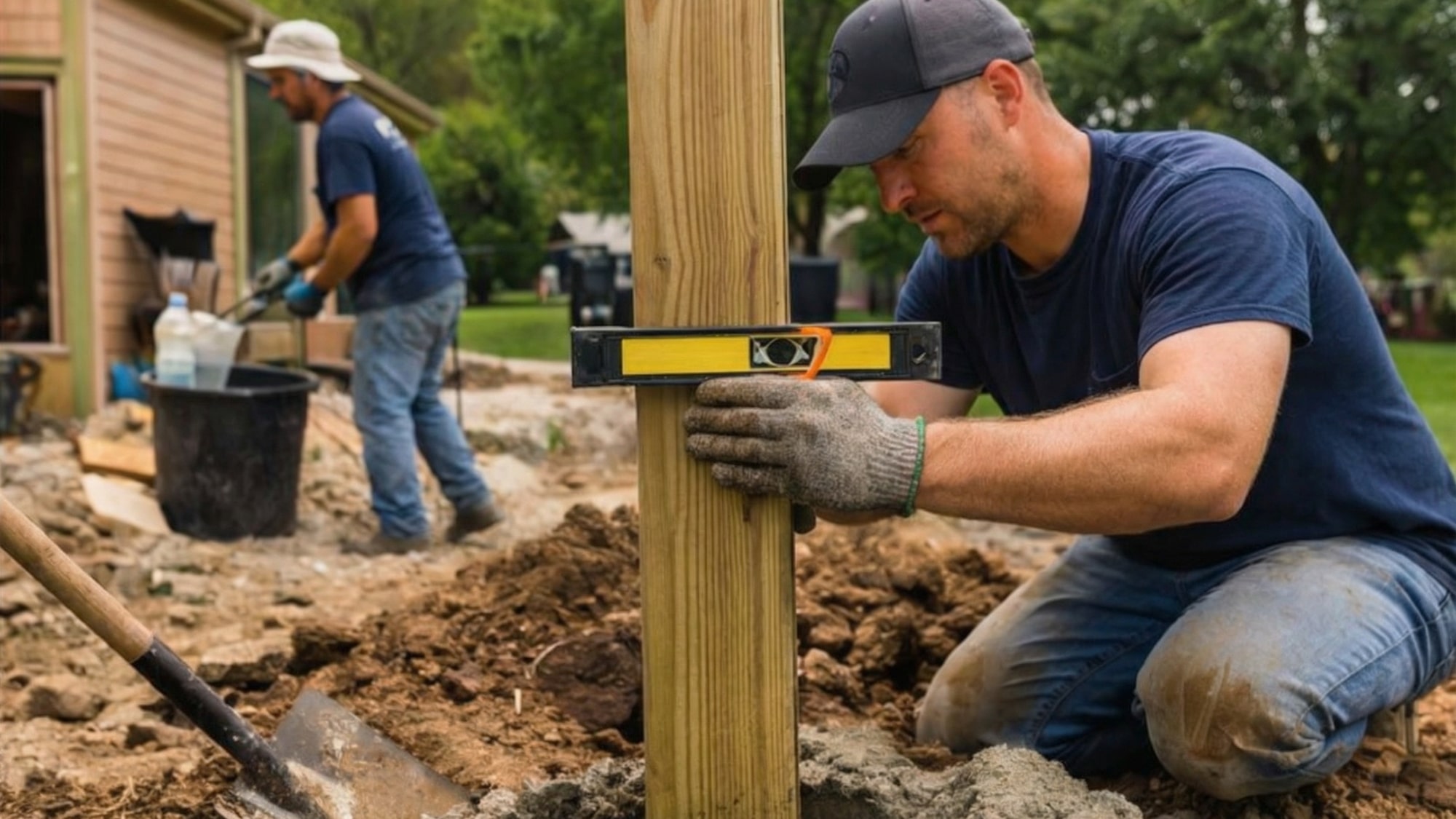
Labor is another key factor. Proper installation requires digging post holes to the correct depth, setting concrete footings, aligning rails, and ensuring the fence follows the grade of the land. In North Georgia, where red clay soil expands and contracts, skipping these steps may lower upfront cost but leads to leaning posts and early repairs.
Property conditions also matter. Sloped yards, tree roots, rocky soil, and drainage issues can all increase installation time and affect overall fence cost.
How to Save Money on Fence Installation
Saving money on a new fence doesn’t mean choosing the cheapest option. It means making smart decisions that reduce long-term costs.
Choose the Right Material for Your Needs
Not every property needs the same type of fence. Chain link fencing is a cost-effective option for large areas or functional enclosures. Wood fencing offers privacy and a traditional look, but requires maintenance over time. Vinyl fencing and aluminum fencing have a higher upfront cost but lower long-term maintenance.
Matching the material to your goals (e.g., privacy, security, or curb appeal) helps avoid unnecessary expenses.
Plan Your Layout Carefully
Fence cost is directly tied to linear footage. A simple, straight fence line costs less than one with multiple corners, elevation changes, or custom features.
Working with an experienced fence company ensures your layout is efficient without sacrificing function. In many cases, small adjustments to the fence line can reduce material and labor costs without affecting usability.
Address Soil and Drainage Early
In North Georgia, soil conditions are one of the biggest hidden cost factors. Red clay holds water and shifts with weather changes. If posts are not set deep enough or drainage is ignored, fences can lean or fail prematurely.
Investing in proper post depth, concrete footings, and drainage solutions during installation prevents costly repairs later.
Avoid Cheap Fence Materials
Low-grade materials may reduce initial fence cost but often lead to rotting or corrosion. Pressure-treated wood rated for ground contact, galvanized or coated metal, and quality fasteners all extend the life of a fence.
Replacing sections of a failing fence is often more expensive than choosing durable materials from the start.
Understand Fence Repair vs. Replacement
In some cases, repairing an existing fence may be more cost-effective than full replacement. Replacing damaged posts, fixing sagging gates, or installing new pickets can extend the life of a fence if the overall structure is still sound.
However, if multiple sections are failing, a new fence installation may be the better long-term investment.
Comparing Fence Types and Costs
Each type of fence comes with different cost considerations.
Chain link fence installation is typically the lowest cost per linear foot and is commonly used for security, pet containment, and large properties.
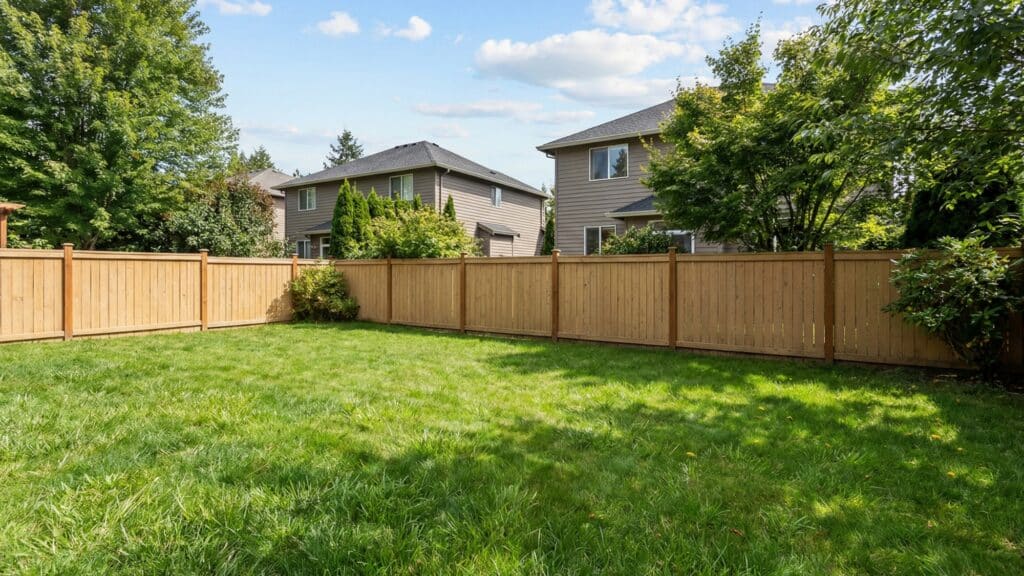
Wood fence installation varies depending on style. Privacy fences, board-on-board designs, and shadowbox fences all require different amounts of material and labor. Wood offers strong curb appeal but requires sealing or staining to maintain its condition.
Vinyl fence installation has a higher upfront cost but minimal maintenance. It resists moisture, insects, and UV damage, making it a long-term option for homeowners who want a clean, consistent look.
Wrought Iron Fence Installation offers a high-end look with strong security, but it comes at a higher cost per linear foot compared to other materials, and requires ongoing maintenance to prevent rust.
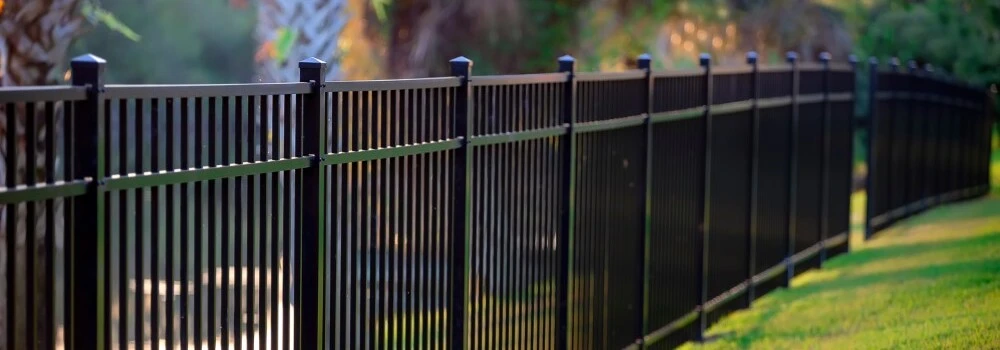
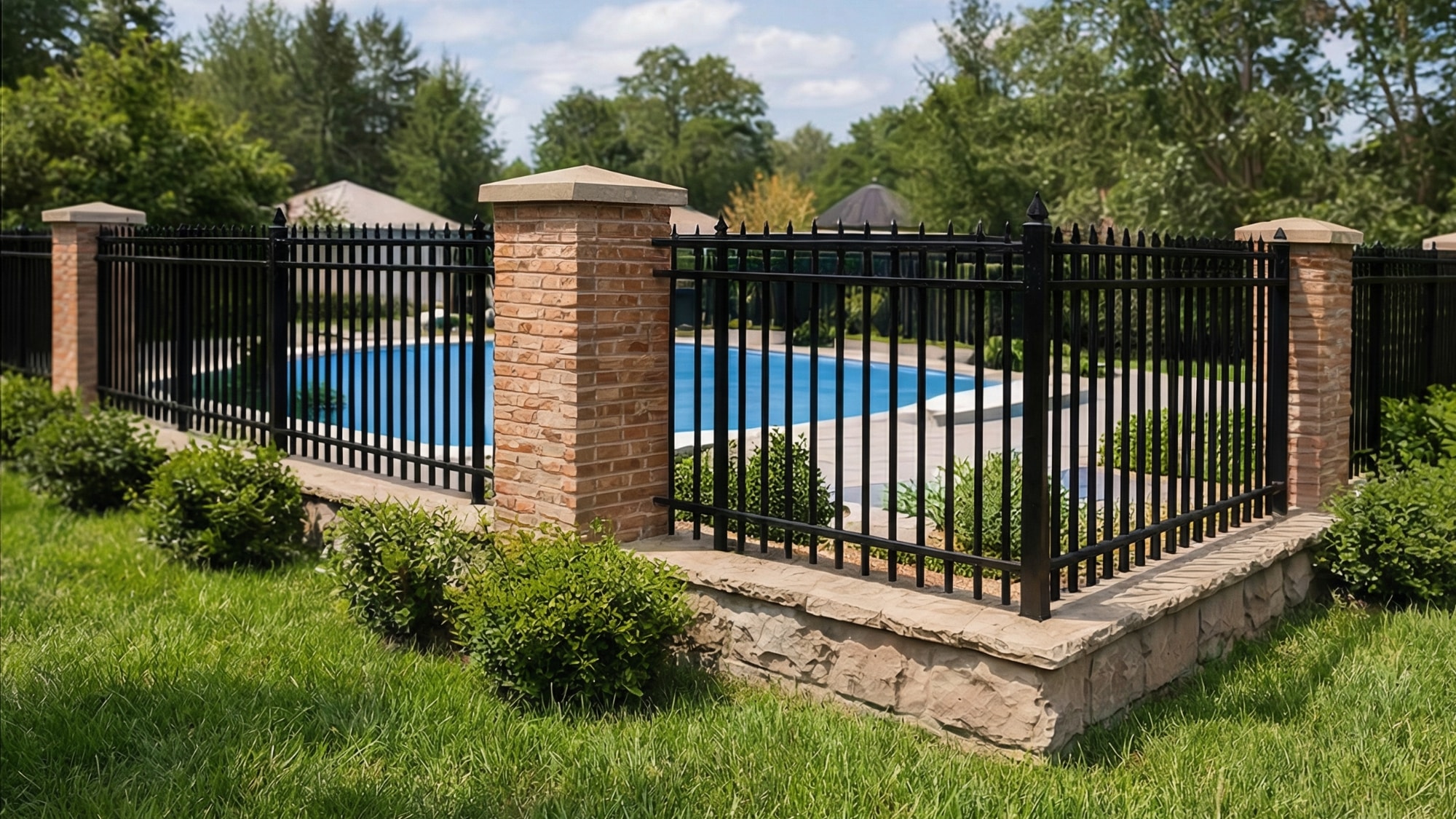
Aluminum fencing provides durability and a decorative appearance. It is commonly used for pool enclosures and residential properties where visibility and security are both important.
Why Experience Matters in Fence Installation
Fence installation may seem straightforward, but proper construction requires experience to keep the operation budget-friendly. Setting posts at the correct depth, aligning panels, and accounting for terrain all impact how well a fence performs over its lifespan.
In areas like Canton and Ball Ground, where properties often include slopes and uneven ground, fence installation techniques must be adjusted to maintain structural integrity.
An experienced fence company understands how to work with local conditions, reducing the risk of costly issues during fence removal (in the case of an old fence needing an upgrade) as well as after fence installation.
Long-Term Value vs. Upfront Cost
Whether it’s for your front yard, back yard, or someplace else, the cheapest fence is rarely the most affordable in the long run. Fences built without proper planning or materials often require repairs within a few years. Leaning posts, loose panels, and failing gates can turn a low initial cost into an ongoing expense.
A well-built fence, installed with quality materials and proper techniques, provides long-term value by reducing maintenance costs and repair needs.
Working with a local company that understands North Georgia conditions helps ensure your investment holds up over time.
Get the Most Out of Your Fence Investment
Homeowners across Marietta, Alpharetta, Lawrenceville, and surrounding areas continue to invest in fencing for privacy, security, and property value. The key to managing fence installation cost is making informed decisions at the start.
Choosing the right material, planning the layout, and working with experienced installers all contribute to a fence that performs well for years.
At Bravo Fence Company, every project is built with discipline, precision, and accountability. From initial consultation to final installation, the focus is on delivering strong, dependable fences at a fair price.
If you’re planning a new fence and want a clear understanding of cost, materials, and options, talk to a local team that has been building fences across North Georgia since 2004.